Goat stew in the slow cooker gives you fall-apart meat in a deep, tomatoey broth built on red wine and Mediterranean herbs. The meat turns completely tender after four hours on high, which is the main reason this cut rewards slow cooking so well. The whole batch makes six portions and takes ten minutes to put together before the cooker does the rest.
This recipe comes from Sam and Dom at Recipe This, published cookbook authors who built it around a tomato and red wine base. Most goat recipes lean on heavy spice blends, which mask the meat’s natural flavour. Using wine and tomatoes instead keeps the goat itself at the centre of the dish.
Browning the goat before it goes into the cooker is worth not skipping. Without it, the finished stew tastes boiled rather than developed, lacking the depth the long cook should build. Take it too far and the outside burns, which pushes a bitter note into the broth, so aim for a deep golden colour on each side.
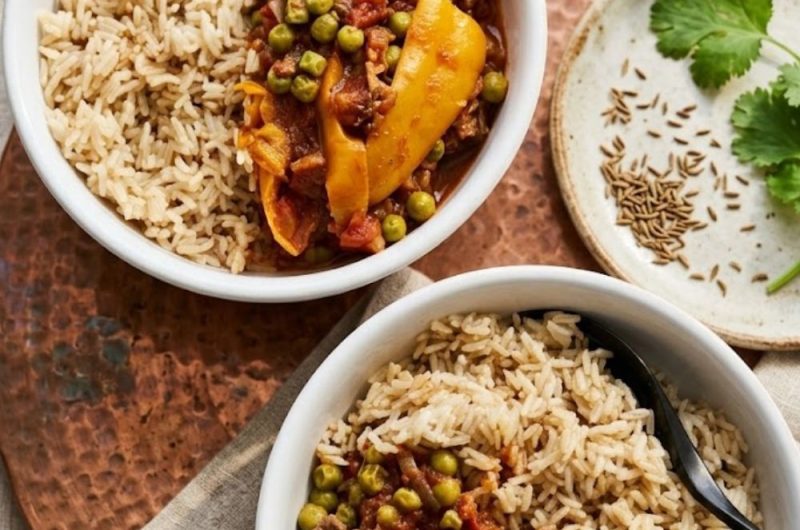
Slow Cooker Goat Stew
Course: DinnerCuisine: MediterraneanDifficulty: Easy6
servings10
minutes4
hours320
kcalA Mediterranean-inspired slow cooker stew that makes goat approachable for first-timers, built on familiar flavours rather than unfamiliar spice blends. It freezes well and reheats without losing texture, making it as useful for batch cooking as for a centrepiece dinner.
Ingredients
1kg / 2.2lbs boneless goat meat, cut into chunks
1 medium onion, sliced
220g / 8oz mini mixed peppers, sliced (or 1.5 regular peppers)
1 cup / 120g frozen garden peas
1 tbsp extra virgin olive oil
240ml / 1 cup red wine
240ml / 1 cup vegetable stock
2 x 400g tins chopped tomatoes
1 tbsp tomato purée
1 tbsp garlic purée
1 tbsp dried thyme
1 tbsp dried parsley
1 tbsp dried oregano
2 tsp sweet paprika
Salt and black pepper, to taste
Directions
- Add olive oil to your slow cooker or a separate pan. Sauté the sliced onion and peppers for a few minutes until softened.
- Add the goat meat and brown on all sides until golden. Do not rush this step.
- Stir in the garlic purée, tomato purée, thyme, parsley, oregano, and paprika.
- Pour in the tinned tomatoes, red wine, and vegetable stock. Stir to combine.
- Put the lid on and cook on high for 4 hours or on low for 7 hours, until the goat is completely tender.
- Stir in the frozen peas. They will warm through within a couple of minutes from the heat of the stew.
- Taste, adjust seasoning with salt and pepper, and serve warm with rice or crusty bread.
FAQs
What does goat meat taste like?
Goat tastes close to lamb but leaner, with a clean, mild flavour that comes through clearly in a simple tomato broth. Because the meat is lean, it needs the full four hours in the slow cooker to become truly tender. If you enjoy lamb, you will take to it straight away.
Can I use bone-in goat instead of boneless?
Bone-in pieces give noticeably more flavour to the broth because the marrow and connective tissue release gelatin as they cook. The cooking time stays the same; you just need to pick out the bones before serving. It is worth using bone-in if you can find it at a butcher or halal meat counter.
When do I add the frozen peas?
The peas go in right at the end, after the cooker is turned off or just before serving. They warm through in two to three minutes from the residual heat without going soft or losing their colour. Adding them earlier breaks them down and they turn mushy, which is not what you want.
Can I leave out the red wine?
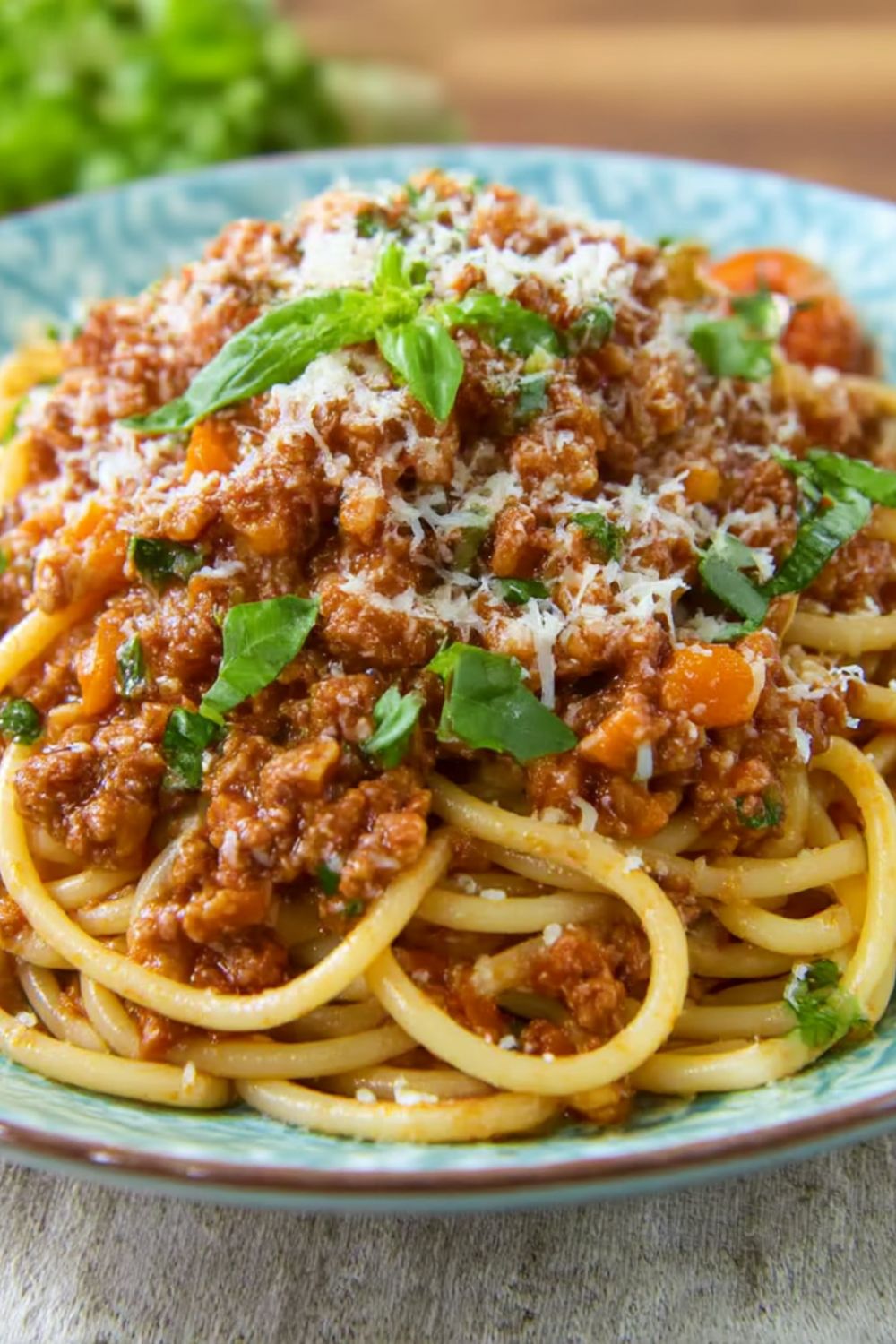
The red wine adds depth and acidity, but you can replace it with the same amount of stock. The stew will be slightly less complex without it, so add an extra tablespoon of tomato purée to compensate. For another slow cooker recipe that builds on a red wine base, slow cooker Bolognese from this site follows the same approach.
What do you serve with slow cooker goat stew?
Rice is the most natural pairing and handles the broth well. Crusty bread or flatbread both work for scooping if you prefer something to tear at the table. For another hearty slow-cooked meat dinner from this site, slow cooker drip beef sandwiches use the same patient low-and-slow method.





Leave a Reply